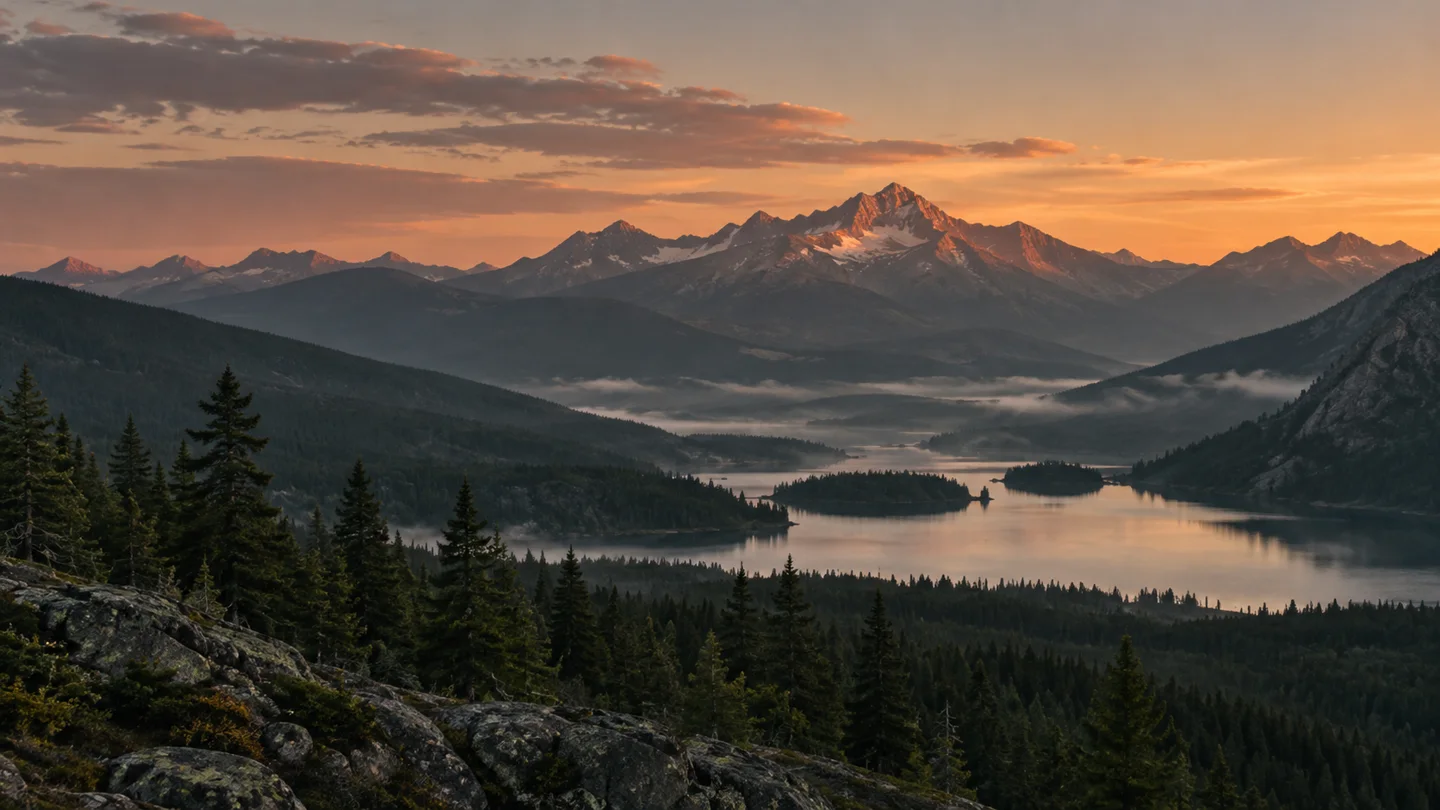
Mobile • One-on-one • Across the American West
Road Trip Rehab: Treatment beyond four walls
Private, one-on-one treatment on the road through the American West, from the Oregon coast to the high desert. Your guide is a clinician who stays with you, and the work happens in the experience of each day: on a trail, on a drive, over an evening meal.
Book a consultation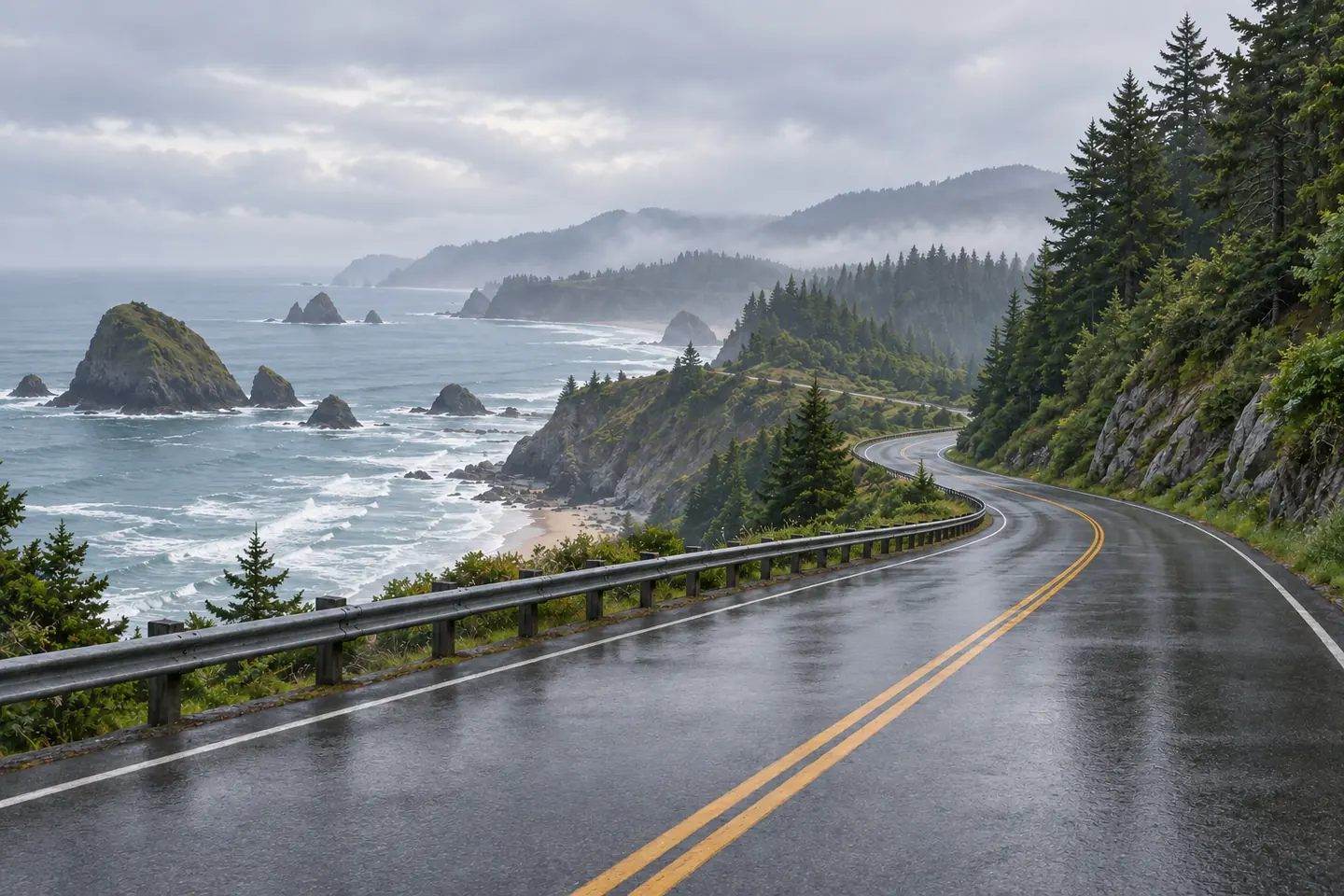
The program
What is a rehab road trip?
Road Trip Rehab is a private, one-on-one alternative to rehab or outpatient treatment. It is designed for adults who do not want a group process, who engage more fully in motion than in a room, and whose needs fit this level of care. The trip is planned around you, and the clinical work runs through it: a morning walk, a long drive, an evening by the fire.
People come with grief, burnout, anxiety, depression, trauma or patterns around alcohol and drugs. Others have trouble naming what is wrong beyond a sense that life has become difficult to untangle, or that they feel stuck. The work is to help you get unstuck and find a new way to live. It starts from your own experience, what you have already tried and what you want to understand differently. The conversation moves between your past, your present and what comes next.
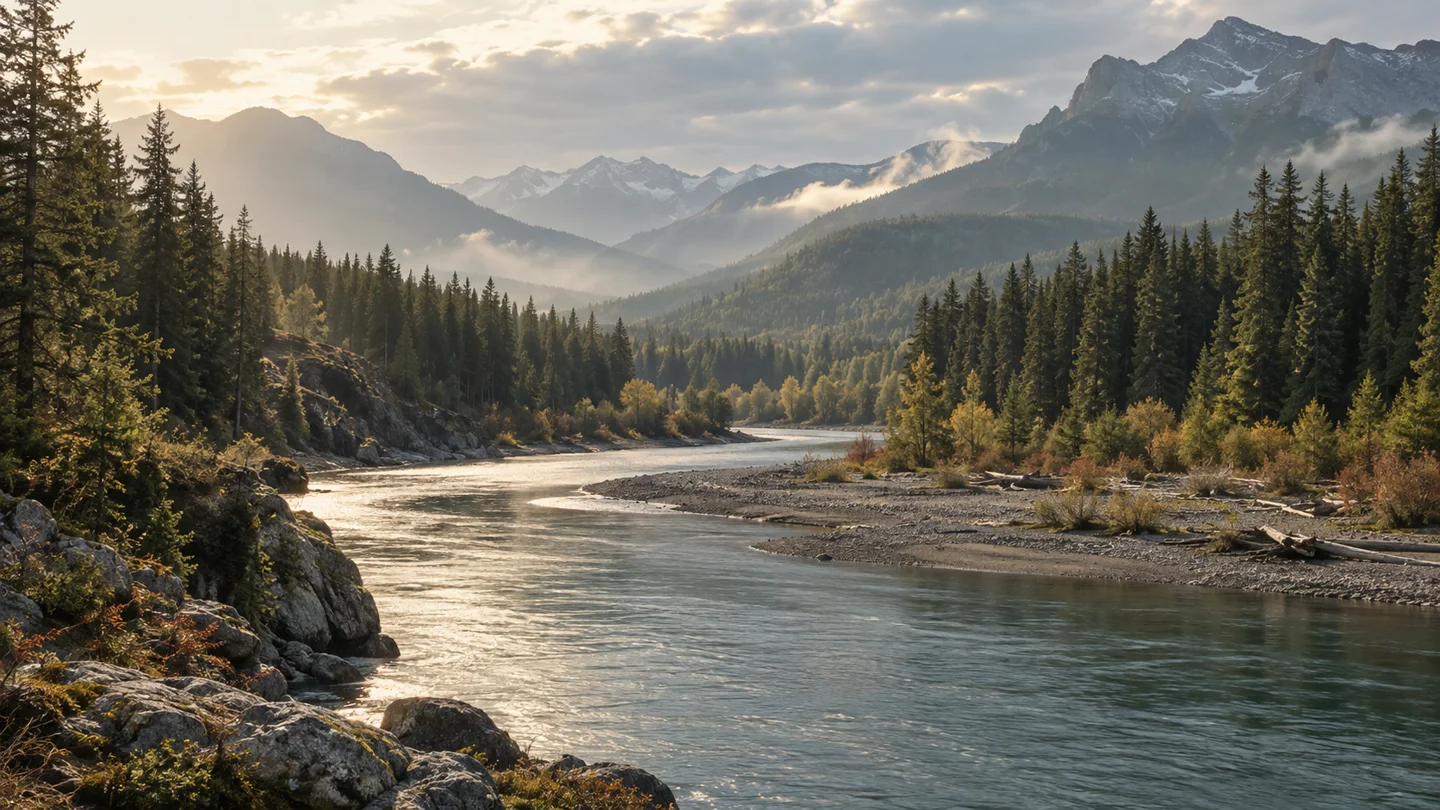
The route is designed around you. It might involve a comfortable base and day hikes, camping and longer excursions, or a combination. There is room to change direction as each day unfolds and more is revealed.
The setting
A change of setting helps shift perspective
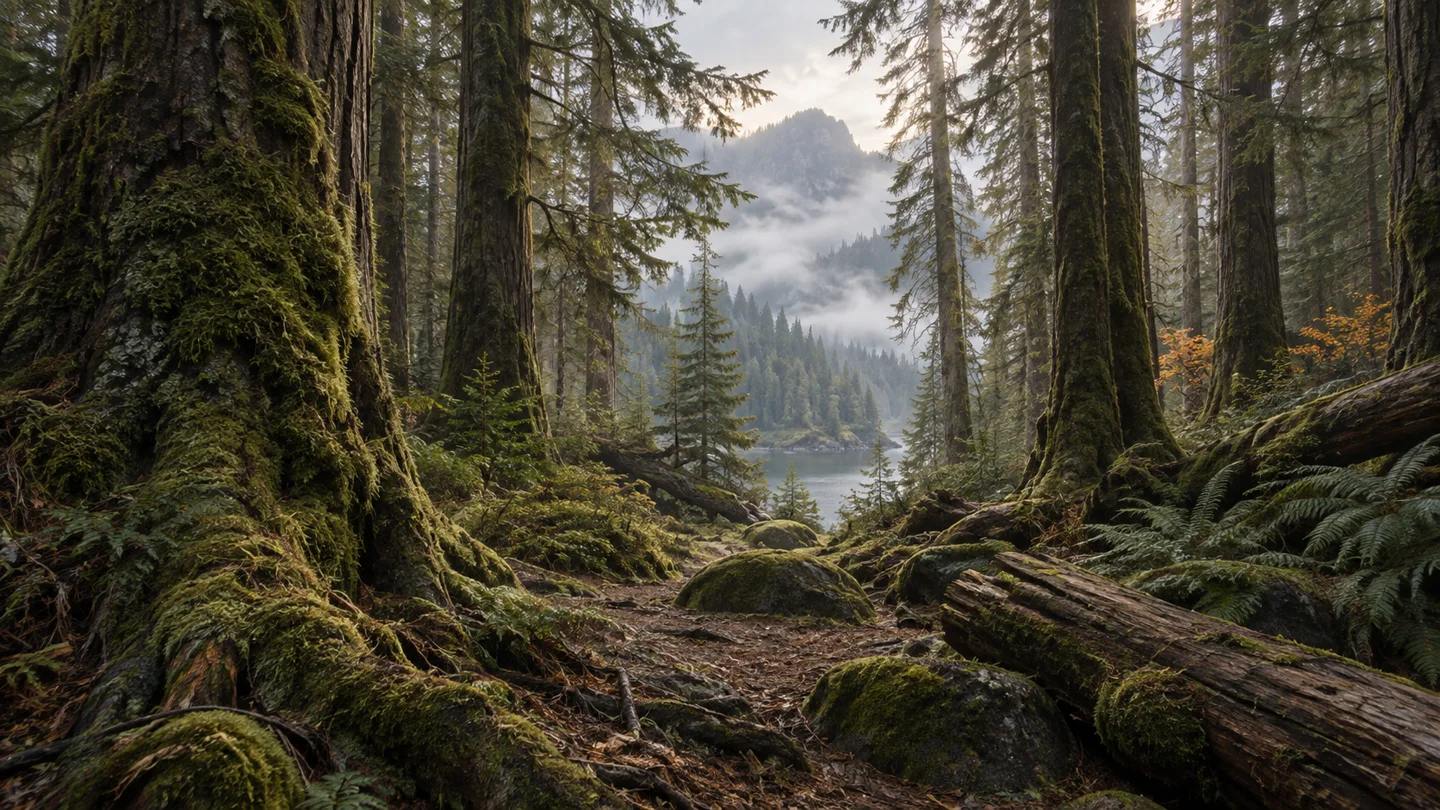
Static environments tend to produce static thinking. A familiar problem can fill the same space in your attention every day. Out on a trail, your attention also has somewhere else to go: to your footing, the weather, a bend in the path or an opening in the trees. The problem remains present, but you are experiencing it in a changing context.
That difference matters to this model of treatment. Your guide works with the changes in what you notice, how you describe something and what feels possible. A conclusion that seemed certain that morning can be examined again after a walk, a pause or an unexpected turn in the day.
The pace is unhurried. There is no requirement to make every silence productive or turn every outing into a breakthrough. Space for something to surface is part of the design.
The relationship
One guide, with room to know you
Your guide is also a clinician and stays with you throughout the trip. That continuity allows a difficult subject to develop without repeatedly explaining the background. It also makes room for your guide to notice the difference between how you describe an experience and what happens when you encounter it.
Road Trip Rehab is a program of Arago Integrative Recovery, the private practice behind the clinical work. Your guide remains the central relationship; other professionals can contribute when useful and with your permission.
Your own therapist or psychiatrist can stay involved, and family involvement is guided by consent. The aim is a coherent circle of support with enough space for the one-on-one work.
The method
Understanding becomes something you can work with
Knowing a pattern well does not always make it easier to respond differently. The work develops through everyday experience: a decision, a reaction, a conversation, a craving, a spiral of worry, the urge to withdraw. Each is worked with while it is happening. The road also offers manageable difficulty, giving you opportunities to practice a different response.
SLIF, the program’s Stoic and logotherapy method, structures the work as Clearing, Orienting and Engaging: see what is happening, settle what matters and practice a response. ACE, the environmental foundation, is why that work happens outdoors.
Who it is for
Private treatment, without a group to perform for
This format suits adults who want sustained attention and a more individual way of working. You do not need to enjoy group settings, have a polished account of your life or arrive knowing exactly what needs to change.
You do need a willingness to participate. Your guide can challenge an assumption, help you stay with a difficult subject and adjust the pace. Your choices remain yours. Physical effort is matched to your ability.
Getting started
Start with a conversation, then a plan
The first conversation covers your situation, your questions and the kind of setting in which you feel able to work. Duration, accommodation, pace, meeting arrangements and fees are discussed before you commit.
Inquiries are welcome from across the United States, and trips commonly begin in southern Oregon. Some people begin with a short stay, others a longer stretch, and you review the first phase with your guide before deciding what comes next.